
For the purposes of this post, a narrow definition of the Caribbean is intended, that includes the islands in/around the Caribbean Sea, along with Belize, Guyana, French Guiana, and Suriname.
I stood in awe of the pyramids rising from the forest floor, intricate and complex masterpieces of a powerful and highly celebrated ancient civilization whose architectural and construction know-how continues to baffle archaeologists.
No, I was not in Egypt. I was in Belize.
In moments like this, you get to wondering how exactly our subregion became reduced to sun, sea, and sand, when it is so diverse and complex physically, culturally, historically, and spiritually. All too often this complexity and diversity are overlooked by magazines, blogs, and vlogs that only scratch the surface of our uniqueness. So I thought I would share four of the key attributes I think make the Caribbean unique that are often ignored.
Outsize Cultural Impact
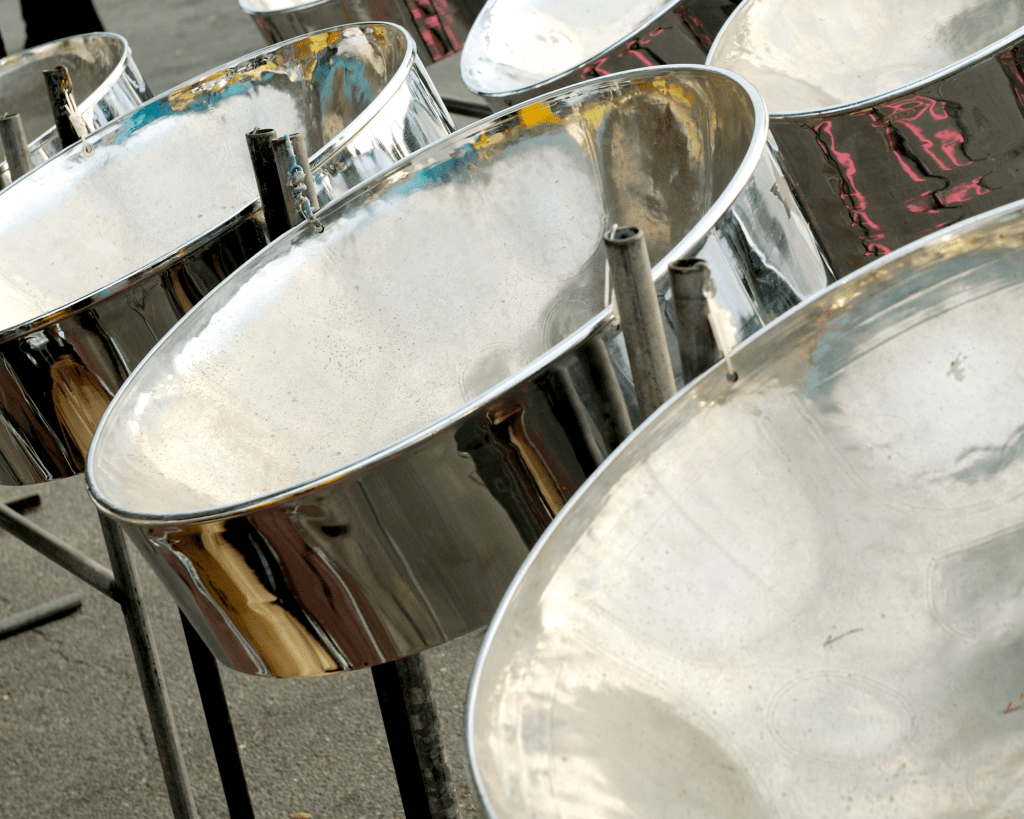
The Caribbean subregion has an outsize cultural impact relative to its size. The sheer number of world-famous musical genres that originated from the subregion is mind-blowing. Let’s see. We have ska and reggae from Jamaica, salsa, cha-cha-cha and mambo from Cuba (salsa also has Puerto Rican origins), bachata and merengue from the Dominican Republic, calypso and soca from Trinidad and Tobago, and Zouk from Guadeloupe and Martinique. And this is merely the tip of the iceberg!
How about the steelpan from Trinidad and Tobago, the only acoustic instrument to have been invented in the 20th century? Then add to that the renown of Bob Marley, Rihanna, Sean Paul, Celia Cruz, and countless others. Finally, there are the two nobel literature laureates, namely V.S. Naipaul and Derek Walcott, and several other writers of international acclaim. We certainly punch above our weight.
The Array of Indo-European and Local Languages
It is generally known that across the Caribbean we speak the languages of the major European nations that colonised the subregion, namely English, Spanish, French and Dutch. What most persons overlook, however, are the creoles, such as those in Haiti, St. Lucia, and Jamaica, often with European and African influences, or the languages of indigenous origin spoken by the Maya and Garinagu/Garifuna (Black Caribs) of Belize, for example, as well as the nine indigenous tribes of Guyana. I find the presence of indigenous languages particularly heartening because of their survival of the brutality of colonisation. This is also a testament to the multiculturalism of the Caribbean.
Pervasive African Retentions
Sure we have a culture that has evolved into something distinctly Caribbean, nonetheless, the African cultural retention is strong and pervasive. Across the subregion, traditional dances, such as Bélé in Haiti, street parades, such as the Junkanoo in The Bahamas and to a lesser extent, Jamaica, funerary and wedding traditions, foods and cooking traditions, proverbs, and folklore are strongly embedded in (primarily) West African roots.
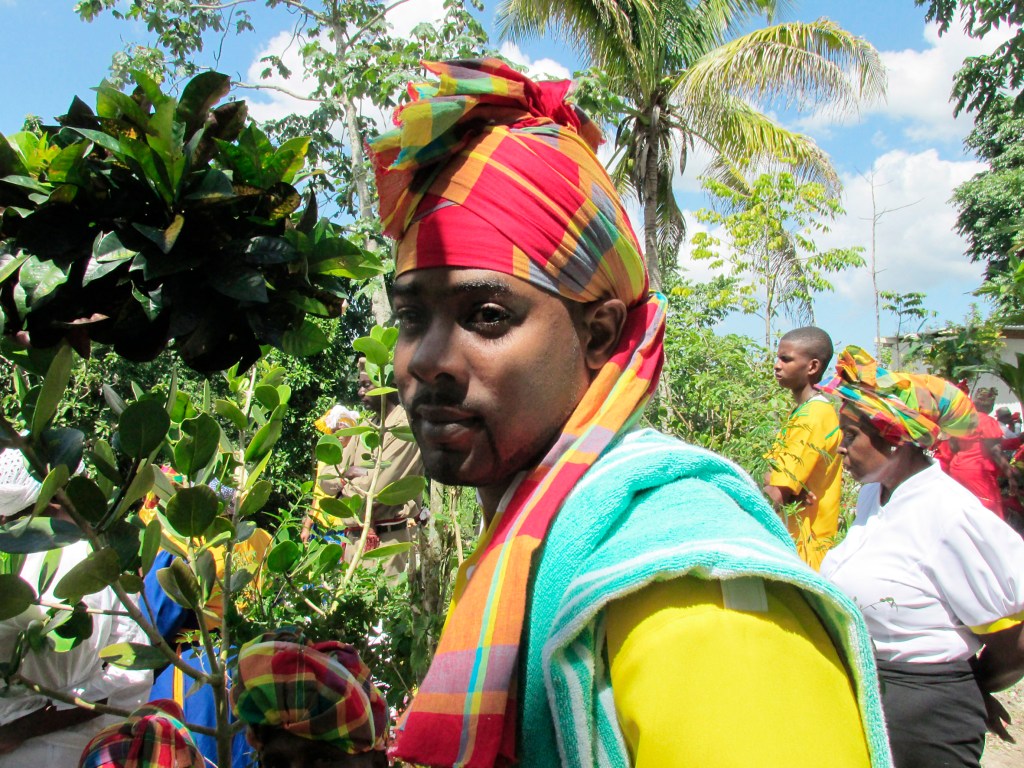
Our languages also provide evidence of this ancestry, with Twi, Igbo, Ewe, and Yoruba words still present in many of our creoles, which incidentally are also largely shaped by tonalities and grammar structures of West African languages. We cannot but mention also the spiritual retentions in practices such as obeah and voodoo (occult magic) and in hybrid or syncretic religions, including Jamaica’s Revivalism, Cuba’s Santería, and Shango (Orisha) from Trinidad and Tobago.
Stunning and Diverse Architecture
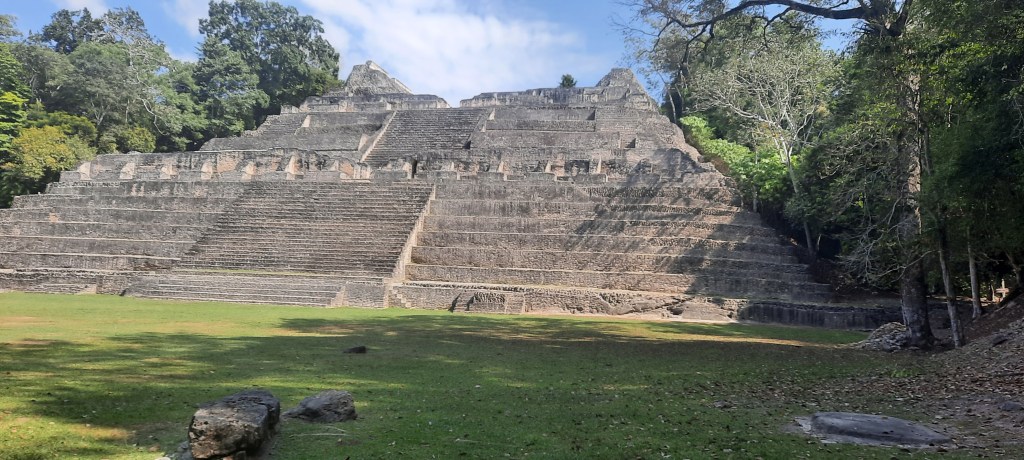
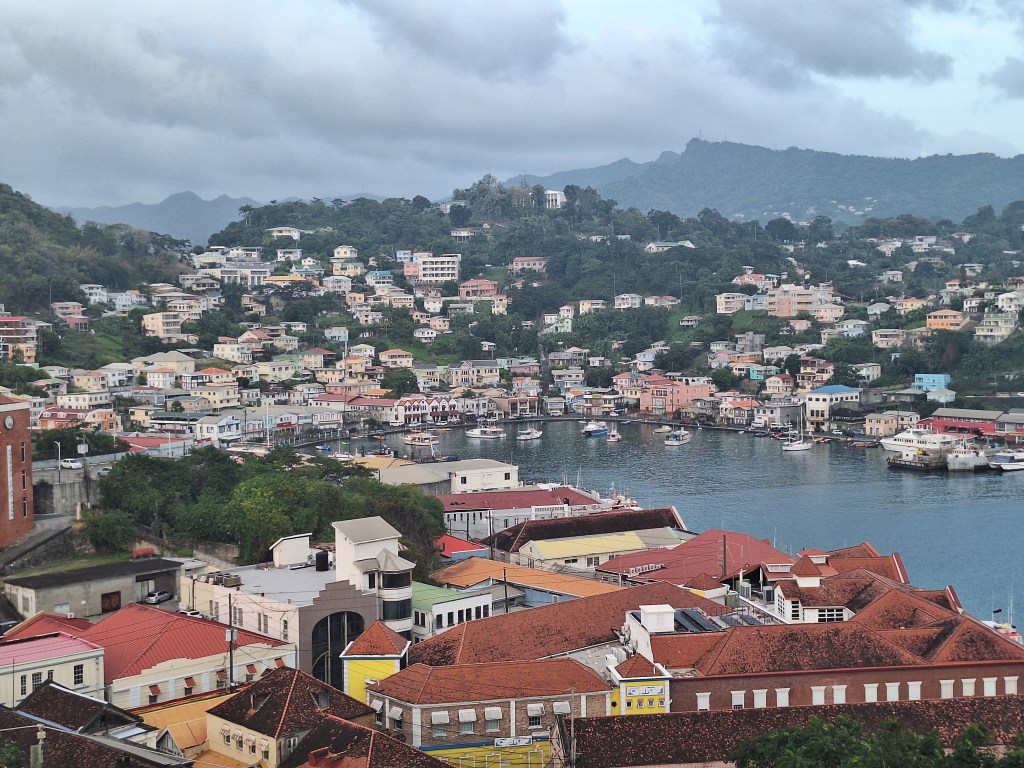
And so we are back to where we started. Caribbean architecture is incredibly diverse and beautiful. This is not something that is mentioned too often when we refer to the Caribbean, yet here you will find European styles, such as Georgian, Gothic, and Baroque complemented by the architectural styles or influences of indigenous peoples, Africans, Hindus, and Jews, in particular.
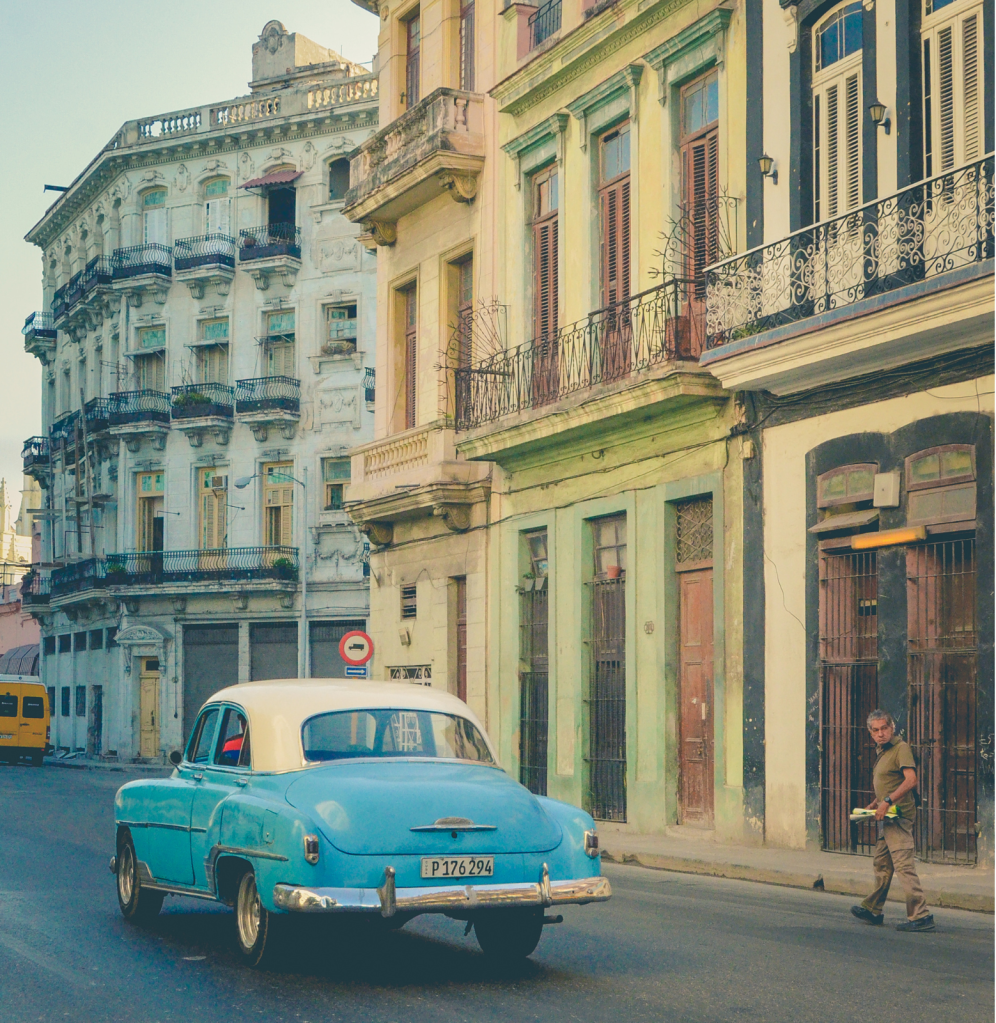
Personally, I am enamoured with the old churches, mostly in Georgian style, that dot much of the English-speaking Caribbean. Some of the best examples I have had the privilege of seeing are the St. Paul’s Anglican Church in Clarendon, Jamaica, near where I grew up, and the St. George Parish Church in the Barbadian countryside. I am also impressed by the brightly-coloured Caribbean revamp of Spanish architecture in San Juan, Puerto Rico and Dutch architecture in Willemstad, Curacao, as well as the ingenious and elaborate ancient Mayan pyramids of Belize. Also worth mentioning are the colonial Baroque and Moorish gems being lovingly restored in Cuba’s Old Havana, the Danish-influenced architecture of Charlotte Amalie, St. Thomas USVI, and the intricate wooden fretwork in the facades of so many of our homes.
It is about time we rethought and reshaped the usual reductive narratives about the Caribbean. Feel free to share with me any other overlooked elements of our culture and way of life.
Until next time.
LO QUE REALMENTE HACE DEL CARIBE UN LUGAR SINGULAR
Me quedé asombrada por las pirámides erigiéndose del suelo del bosque, unas obras maestras de una poderosa y muy celebrada civilización antigua cuyo conocimiento arquitectónico sigue desconcertando a los mejores arqueólogos.
Pero no, yo no estaba en Egipto. Estaba en Belice.
Es en momentos como éste que me pregunto porque nuestra región se reduce a solamente sol, mar y arena, cuando es tan diversa y compleja física, cultural, histórica y espiritualmente. Con demasiada frecuencia, esta complejidad y diversidad son pasadas por alto por revistas, blogs y vlogs que solo rascan la superficie de nuestra singularidad. Así que pensé que compartiría cuatro de los atributos claves que creo que hacen que el Caribe sea único y que a menudo se ignoran.
Impacto cultural desmesurado
La región del Caribe tiene un impacto cultural desmesurado en relación con su tamaño. El gran número de géneros musicales de fama mundial que se originaron en la subregión es alucinante. Tenemos ska y reggae de Jamaica, salsa, cha-cha-cha y mambo de Cuba (la salsa también tiene orígenes puertorriqueños), bachata y merengue de la República Dominicana, calipso y soca de Trinidad y Tobago, y Zouk de Guadalupe y Martinica. ¡Y esto es simplemente la punta del iceberg!
¿Qué tal el Steelpan de Trinidad y Tobago, el único instrumento acústico que se inventó en el siglo 20? Luego agreguen a eso el renombre de Bob Marley, Rihanna, Sean Paul, Celia Cruz y muchos otros. Por último, están los dos premios nobel de literatura, a saber, V.S. Naipaul y Derek Walcott, y varios otros escritores de aclamación internacional. Sin duda, nos codeamos con los grandes de este mundo.
La matriz de idiomas indoeuropeos y locales
Se sabe generalmente que en todo el Caribe hablamos los idiomas de las principales naciones europeas que colonizaron la región, a saber, inglés, español, francés y holandés. Lo que la mayoría de las personas pasan por alto, sin embargo, son los criollos, como los de Haití, Santa Lucía, y Jamaica, a menudo con influencias europeas y africanas, o las lenguas de origen indígena habladas por los mayas y garífunas (caribes negros) de Belice, por ejemplo, así como las nueve tribus indígenas de Guyana. Encuentro particularmente alentadora la presencia de las lenguas indígenas porque esto refleja que sobrevivieran la brutalidad de la colonización. Esto también es un testimonio del multiculturalismo del Caribe.
La retención cultural africana
Claro que tenemos una cultura caribeña, lo que es un crisol de culturas. Sin embargo, la retención cultural africana es particularmente fuerte y generalizada. En todo el Caribe las danzas tradicionales, como el bélé en Haití, los desfiles callejeros, como el Junkanoo en las Bahamas y Jamaica, las tradiciones funerarias y nupciales, los alimentos y las tradiciones culinarias, y los proverbios y el folclore están fuertemente arraigados en las raíces de África Occidental.
Nuestras lenguas también proporcionan evidencia de esta ascendencia, con palabras Twi (Ghana), Igbo (Nigeria), Ewe (Ghana) y Yoruba (Nigeria) entre otras todavía presentes en muchos de nuestros criollos, que por cierto también están formadas en gran medida por tonalidades y estructuras gramaticales de las lenguas de África Occidental. No podemos dejar de mencionar también las retenciones espirituales en las religiones híbridas o sincréticas, tales como el Revivalism de Jamaica, la Santería de Cuba y el Shango (Orisha) de Trinidad y Tobago y Grenada.
Impresionante y diversa arquitectura
Y así llegamos de nuevo a donde empezamos. La arquitectura caribeña es increíblemente diversa y hermosa. Esto no es algo que se menciona con demasiada frecuencia cuando nos referimos al Caribe, sin embargo, aquí encontrarán estilos europeos, como el georgiano, el gótico y el barroco complementados por los estilos arquitectónicos o influencias de los pueblos indígenas, africanos, hindúes, y judíos, entre otros.
A mí me encantan las antiguas iglesias en el estilo georgiano, que salpican gran parte del Caribe de habla inglesa. Algunos de los mejores ejemplos que he tenido el privilegio de ver son la Iglesia Anglicana St. Paul en Clarendon, en Jamaica, cerca de donde crecí, y la Iglesia Parroquial de St. George en Barbados. También me impresiona bastante la arquitectura española en San Juan, Puerto Rico al estilo caribeño y la arquitectura holandesa caribeña en Willemstad, Curazao, así como las ingeniosas y elaboradas antiguas pirámides mayas de Belice. Vale la pena mencionar también las joyas coloniales barrocas y moriscas que se están restaurando con amor en la Habana Vieja de Cuba, la arquitectura de influencia danesa de Charlotte Amalie en las Islas Vírgenes de los Estados Unidos, y el intrincado calado de madera en las fachadas de muchos de nuestros hogares.
Creo que ya es hora de repensar y reformular las habituales narrativas reductivas sobre el Caribe. ¿No lo crees?
Comparte conmigo cualquier otro elemento pasado por alto de nuestra cultura y forma de vivir.


 In Our Neighbourhood
Leave a comment