The Caribbean is not thought of as a place for good literature. Caribbean literature is well recognised internationally by literary experts, but is it as recognised among the general population? With two Nobel Laureates, and winners of other prestigious international awards such as the Man Booker Prize and Commonwealth literary awards, we’ve proven that our literature can compete with the best.
What I thoroughly enjoy about the literature of the region is how I see our own realities reflected in these accounts: our histories, our passions, our struggles, our unique complexities. Nobody can tell the story of the Caribbean like Caribbean writers can because it is their realities that they speak of, and their understanding of the nuances and complexities of Caribbean history, politics, and society is unparalleled.
As a Caribbean national, such works of literature offer the best opportunity to understand life in fellow Caribbean countries. As a visitor to the region, they provide you with insight into the people, culture, and mindset in a way that no tourist brochure or magazine can. There are too many great authors to talk about in this post, including a host of contemporary ones keeping the Caribbean literary tradition alive, but check out my personal favourites, to date, below.
1. V.S. Naipaul (Trinidad and Tobago)

Highly controversial for several reasons, but for me V.S. Naipaul’s writing is truly sublime. He is among my favourite writers, with stories spanning the globe: life in Trinidadian slums, navigating political turmoil in Central Africa, and exploring history and identity in India. Check out A House for Mr. Biswas and Miguel Street for a glimpse of life in Trinidad and Tobago.
2. Roger Mais (Jamaica)
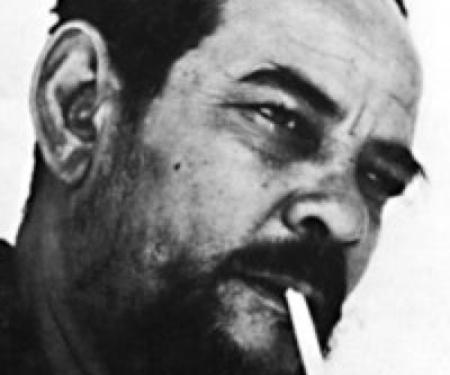
Roger Mais was political, undoubtedly. Anti-colonialist sentiment pervades his work, mirroring the mood of the pre-Independence period in Jamaica. Actually, Mais’ written critique of Sir Winston Churchill’s imperialist ideology was rewarded with a six-month prison sentence for sedition. He tends to paint a picture of generalised hopelessness, often focusing on the lives of the urban poor. The hopelessness is truly palpable, but there is often a beacon of hope, somewhere. My picks are The Hills Were Joyful Together and Brother Man.
3. Michael Anthony (Trinidad and Tobago)
Michael Anthony was a high school favourite for perhaps most Caribbean late Gen Xers and early Millennials, but he is not so well known outside of the region, it appears. Our coming of age in the English-speaking Caribbean was accompanied by Francis in The Year in San Fernando and Shellie in Green Days by the River. The novels are simple, yet insightful, and they are a must-read for those interested in race, society, and politics in the early post-independence period in Trinidad and Tobago.
4. Rachel Manley (Jamaica)
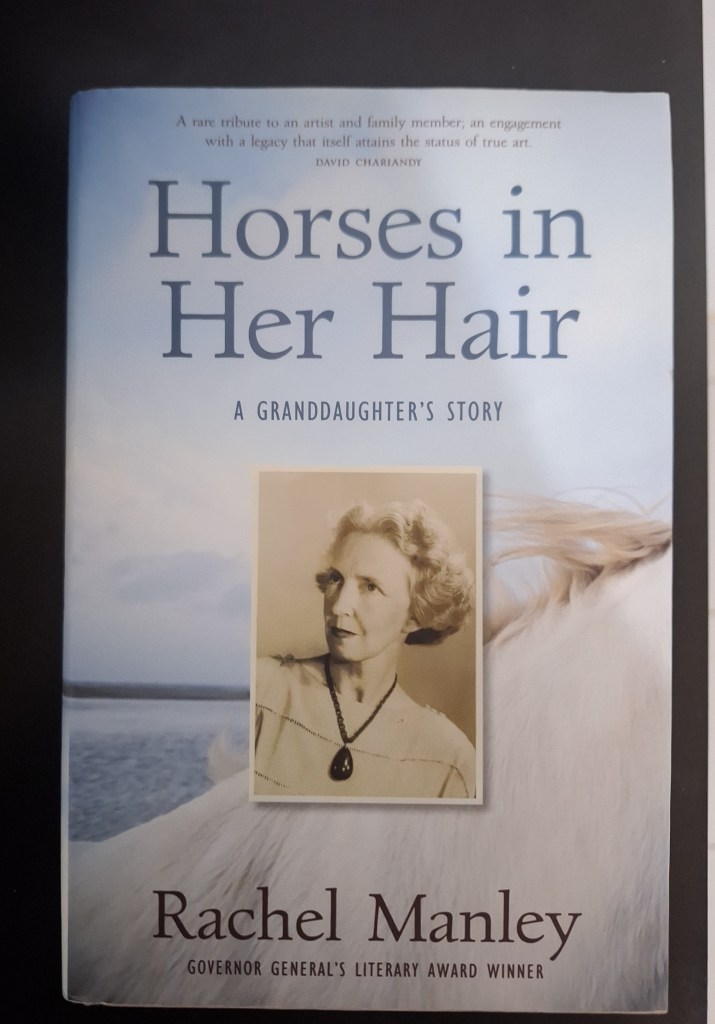
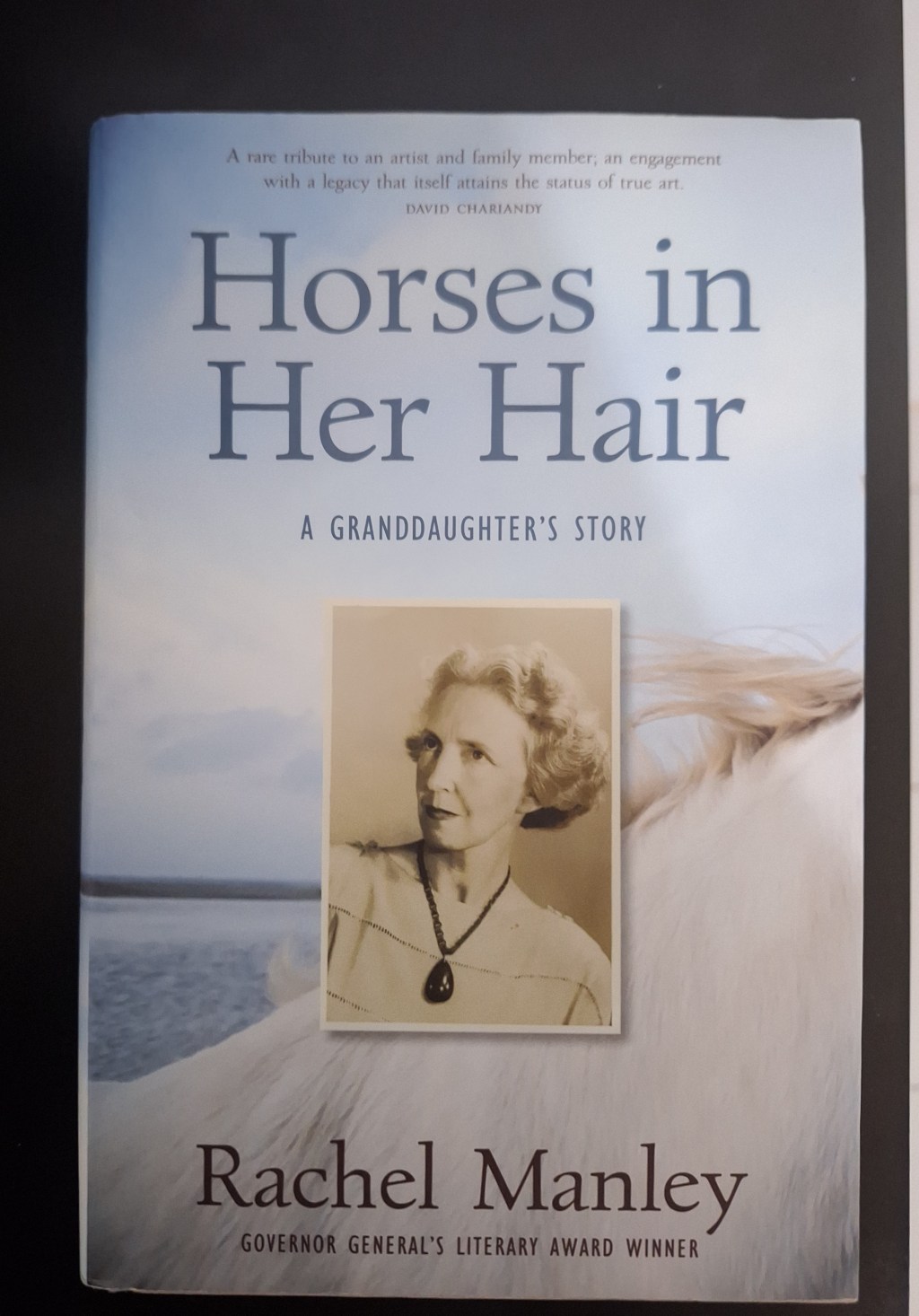
The daughter of perhaps Jamaica’s most beloved Prime Minister, the strength of Rachel Manley’s work is how she humanises key characters in her famous political family and recounts their roles in Jamaica’s independence and post-independence evolution. I have thoroughly enjoyed the behind-the-scenes look at her father Michael and grandparents Norman (a national hero) and Edna (mother of Jamaican art). I find Rachel Manley’s work addictive and emotionally compelling. Drumblair, Slipstream, and Horses in her Hair; I have loved every single one.
5. René Marqués (Puerto Rico)
More than 20 years after reading Los soles truncos (Maimed Suns), the depth of despair so eloquently described by Marqués still stays with me. I think that is a sign of a great writer. National identity and rejection of foreign value systems are themes he often explores. They are themes that also resonate deeply with me. It would be lovely to see more persons from the anglophone Caribbean reading literature from the Spanish-speaking Caribbean, where perspectives on life and identity are less different than we imagine.
Summary
Caribbean literature is diverse and can compete with the best of them, especially with two Nobel Literature Laureates from the region and hosts of international prize winners. If you are interested in delving into literature from the region, my list above is a good place to start, or you can find your favourites among this 100-book recommendation from the Bocas Literary Fest.
If you are from the region or are familiar with Caribbean literature, which single Caribbean author would you recommend to others?



 In Our Neighbourhood
Leave a comment