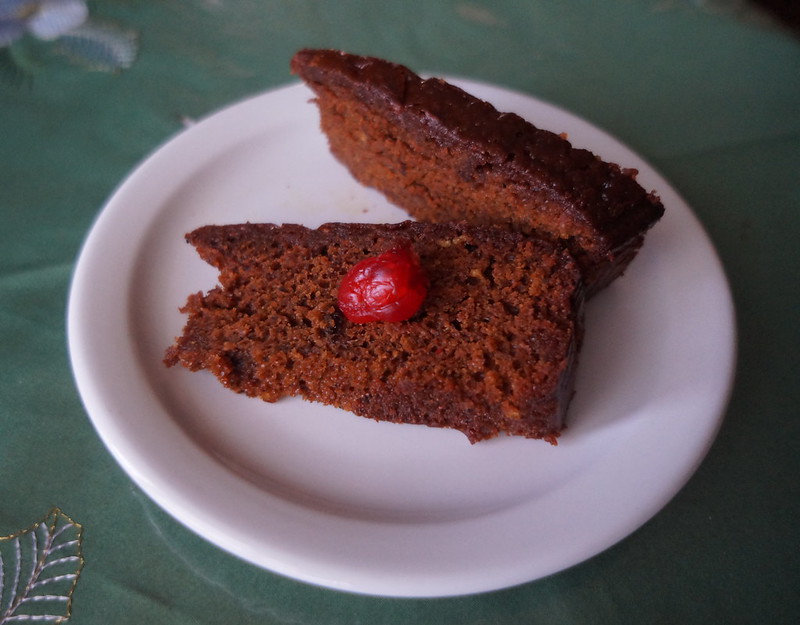
Christmas in the Caribbean is as unique as each island or territory. While many of the traditions are similar to those across the world, including the religious activities, gift-giving, overindulgence in food, and family gatherings, most of the items on the Caribbean Christmas table and our festivities are like nowhere else. Furthermore, while there are similarities across the region, whether English, Dutch, French, or Spanish-speaking, each territory has its own unique twist, reaffirming the rich cultural diversity within the region.
Parang – Trinidad and Tobago
Let’s begin with a bang, with the parang in the twin-island republic of Trinidad and Tobago. Parang may have been inherited from the Spanish colonists who ruled Trinidad from 1498 to 1797 or from Venezuelans who came over to work on cocoa plantations in the 19th century. In fact, it is a lot like the Venezuelan parranda, involving street musicians moving from house to house. Parang has also come to mean the songs sung in these festivities during the Christmas season. Apart from the street events, the catchy irresistible music is often also heard at Christmas parties.
Christmas Menu
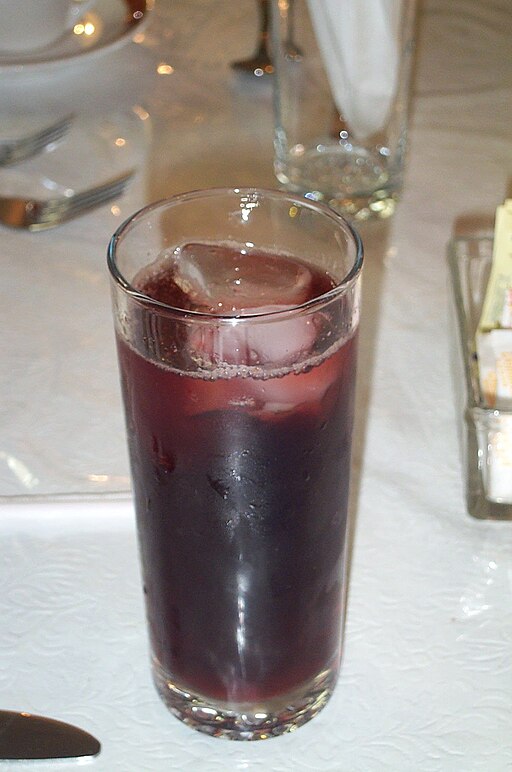
Now, let’s take a peak at the Caribbean Christmas table. There are so many options. In addition to the ham and chicken dishes common elsewhere, you can also find pigeon peas (gungo in Jamaica) and rice, sorrel, a drink originating in West Africa, black cake, ginger beer, and alcohol-infused eggnog across most Caribbean countries. Each country also has its own inclusions, some of the more unique being pastelles in Trinidad and Tobago and pasteles in the Spanish-speaking Caribbean, curry goat in Jamaica, pekelé (pickled, dried, and salted herring) in Curaçao, and jug-jug in Barbados made from ground meats.
Nine Mornings – St. Vincent & the Grenadines
Each morning, starting on the morning nine days before Christmas, those living in St. Vincent and the Grenadines participate in the annual Nine Mornings Festival. They awake before sunrise to fill the streets and partake in sea baths, costumed dances, and festive bike rides, among other activities.
While the origins of the Nine Mornings Festival is unclear, it may be related to the Catholic Church’s novena before Christmas where worshippers would take walks or sea baths after the early morning church services.
Jonkunnu – The Bahamas, Belize, Jamaica
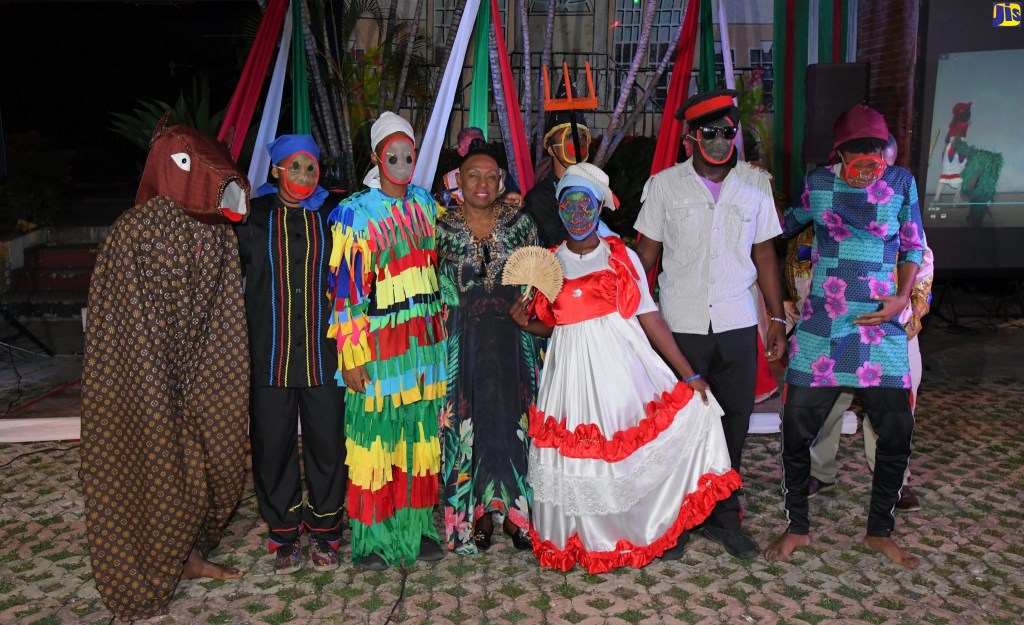
Jonkunnu or other masked traditions are popular around Christmas. Such traditions are strongly influenced by African and English masquerades, adopted and adapted during the period of slavery. In Jamaica, Jonkunnu celebrations are typically held in rural areas, but are no longer as popular. In this activity, figures in costumes and masks, accompanied by musicians playing percussion and wind instruments, parade through the streets. Jonkunnu celebrations in the Bahamas remain more vibrant and extensive, while those in Belize are generally associated with the Garifuna (Black Caribs) people.
Three Kings’ Day
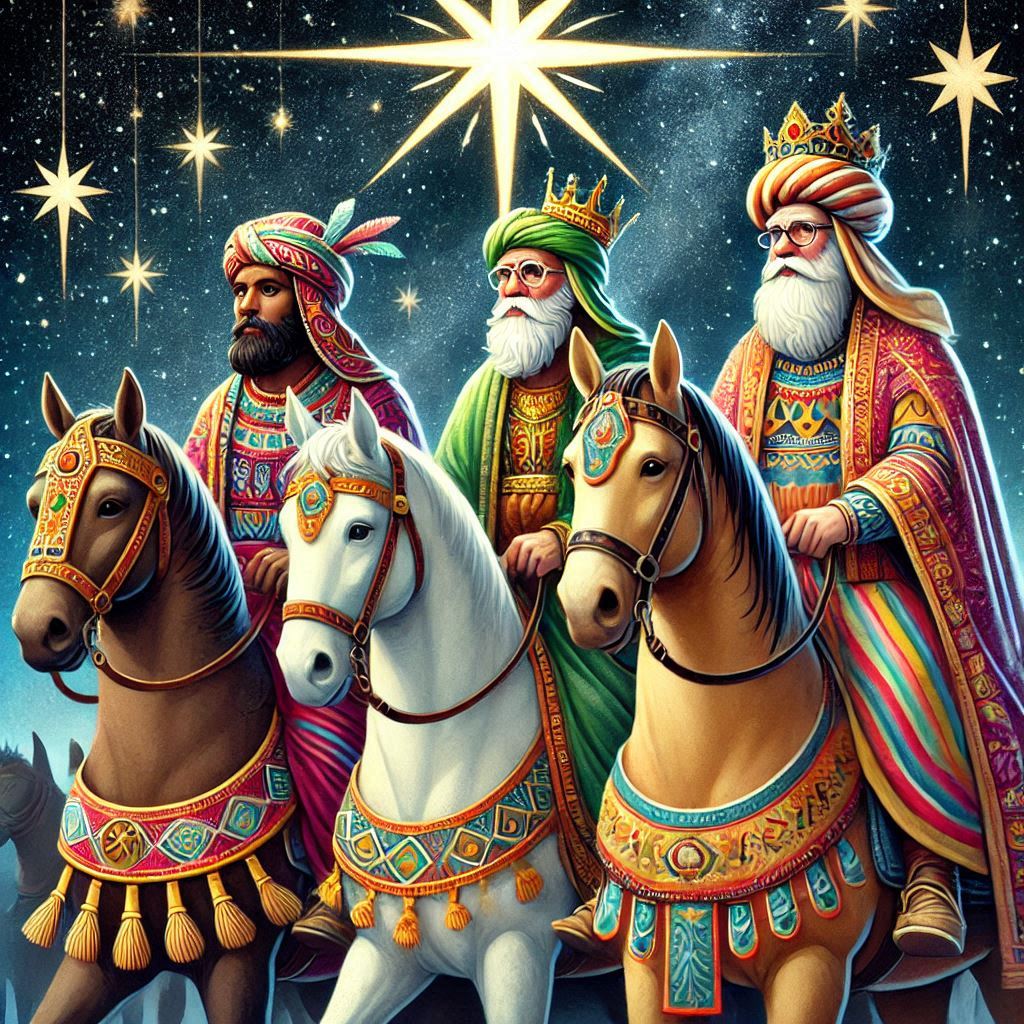
In the Spanish-speaking Caribbean, that is Cuba, Dominican Republic, and Puerto Rico, while Christmas Day is enthusiastically celebrated, the holiday period actually ends on January 6th with the observance of Día de los Reyes (Three Kings’ Day). This is a commemoration of the arrival of the wise men, and children look forward to the gifts supposedly brought by the Magi. Families also share a meal on this day. These celebrations have their origins in Spain and are common in Hispanic communities all over North and South America.
Summary
This is but a taste of the various unique Christmas traditions in the Caribbean. Other noteworthy ones include the sand yard, bursting of bamboo, Grand Market/Nochebuena activities, and the curious Boxing Day tradition in former British colonies. Though small, Caribbean islands and territories are a repository of unique cultural traditions, of which we are justly proud.
And you, what is the most unusual Christmas tradition in your country?

 In Our Neighbourhood
Leave a comment