The Caribbean can be justly proud of having some of the most unique and flavourful food in the world. Our cuisine tells a compelling story of our history and the coming together of the multiple cultures that have made us who we are: Indigenous peoples, African, European, Indian, and Chinese to name a few. As a Jamaican, I obviously love my own national cuisine. What is life without ackee and saltfish with roasted breadfruit, red peas (kidney bean) soup, or jerk pork? For this post, however, I want to delve into the cuisine of other Caribbean territories and recommend a few items I think are a must-try for Jamaicans and visitors to the region alike. Here they are (in no particular order).
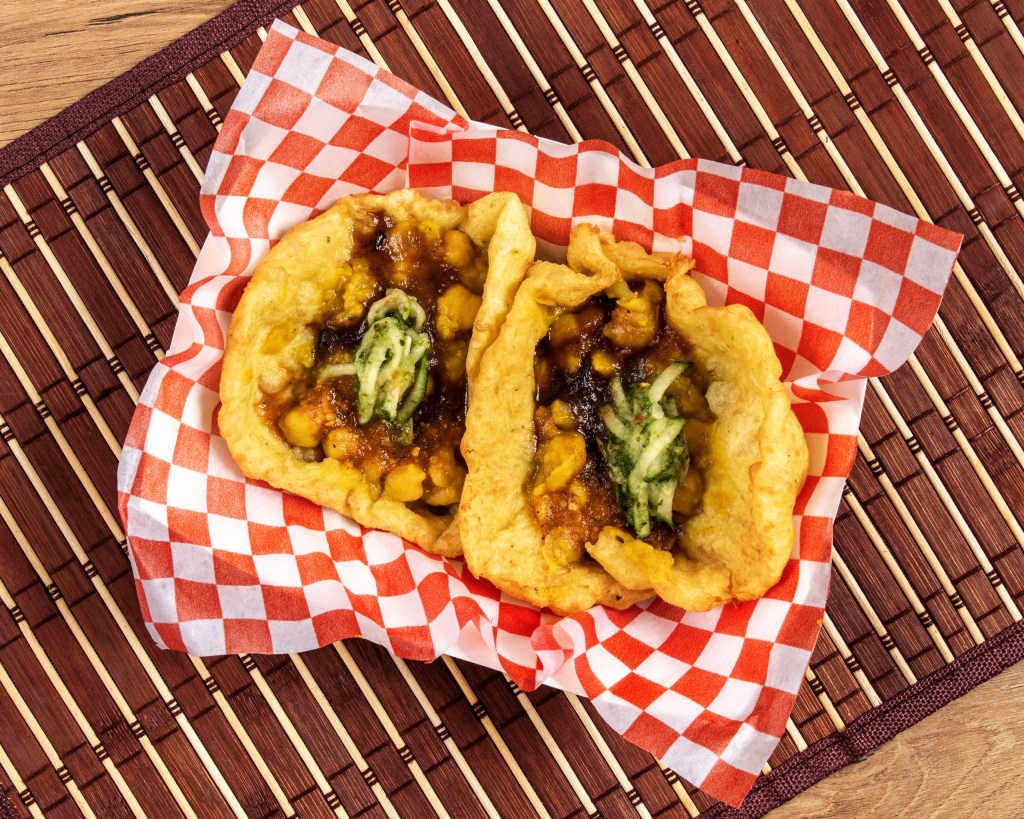
Doubles (Trinidad and Tobago): I adore Indo-Trinidadian cuisine and for me, doubles is about as good as it gets. It’s two baras (flatbread) stuffed with a creamy blend of curried chickpeas and various chutney options, my favourite being tamarind. It’s a quick snack, but comes with an explosion of textures and flavours. Having one of these some years back on Ariapita Avenue in Port of Spain is a memory I will not soon forget. I am happy that Trinidadian restaurants are now finally popping up in Jamaica, so snacks like doubles are no longer relegated to a rare treat
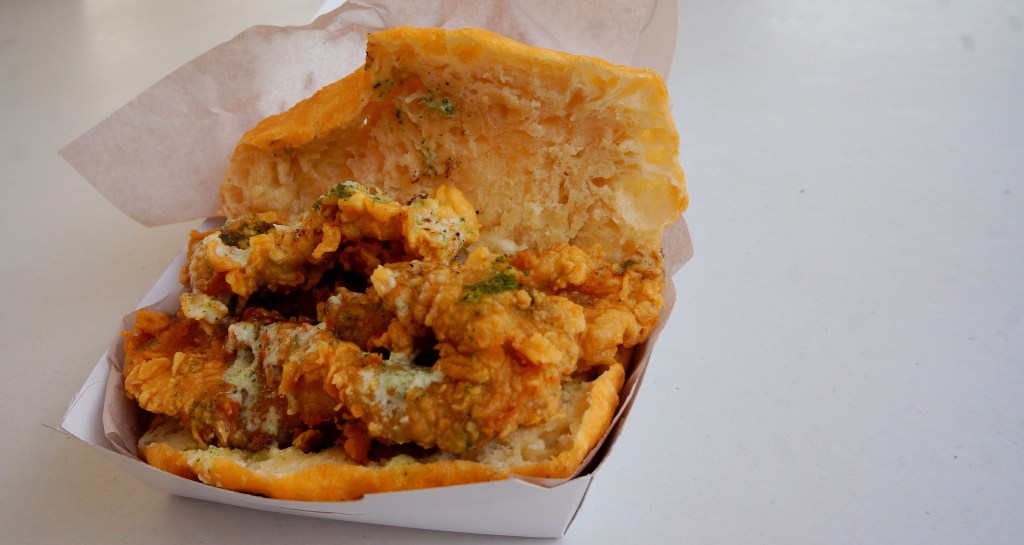
Bakes: You could call these the cousin of the fried dumpling. It is essentially a fried (or baked or roasted) dough, but is flat, and can be accompanied by or stuffed with seafood, sausages, cheese, or whatever you like, I suppose. The origins of bakes are possibly Indian (see poori) or West African (see puff puff), or both. They can be found all over the Caribbean and I would venture to say bakes and saltfish might just be the most common Caribbean breakfast. My favourite ones, so far, have been from Barbados.
Oil Down (Grenada): I was fortunate enough to celebrate independence in Grenada one year, and oil down was everywhere. Oil down traces its history to the days of African slavery, when enslaved people came together to cook whatever items they could gather. It has some similarity to the Jamaican rundown, but instead of boiling just the fish/or protein, meats, callaloo, and ground provisions are all boiled in coconut milk to make a one-pot meal. It is delicious! Incidentally, I recently discovered that in some parts of Jamaica, there is a one-pot dish that is even closer to the oil down called pakassa. Learning is definitely a lifelong journey.
Corn Pie (Barbados): This Barbadian version is a creamy, cheesy, savoury delight made with corn, cheese, milk, and sugar, etc. It is baked until golden brown and crispy, creating a delightful contrast of textures and flavours. I have had this from a roadside restaurant in Oistins, Barbados, and it was good, but my favourite remains the homemade version of a friend. So smitten was I that I even tried to replicate it at home. Now, if you know me, you would know that cooking is of little interest and brings little satisfaction to me, so this speaks volumes. It is easy to make and truly delightful.

Majarete (Dominican Republic): My 2023 trip to the DR introduced me to this creamy corn pudding, a Dominican staple. While variations exist throughout Latin America, I can only vouch for the Dominican version’s addictive qualities. Corn, coconut milk, whole milk, cinnamon, nutmeg, sugar and cornstarch are some of the ingredients in this masterpiece, believed to be the descendant of the European flan, but with the enhancements conferred by the Indigenous peoples of the region. In conversations about the Caribbean, we often forget the non-English speaking countries, but the food in the Spanish-speaking Caribbean is delectable and is a reminder that good food knows no geographical boundaries.
Bacalaito (Puerto Rico): This is essentially the identical twin of the Jamaican saltfish fritter, but the street version I ate was far thinner and crispier. Like the fritter, it is made from a flour batter seasoned and deep-fried until golden brown and crispy. Snacks like Jamaican saltfish fritters, Trinbagonian and Martinican accras, Grenadian fish cakes, and bacalaitos are from the same family and are thought to originate from West Africa (the name accra is probably a dead giveaway). The bacalaito is definitely one of the best street food items I have had anywhere.
Keshi Yena (Curaçao): This intriguing dish, a Papiamento term, for “stuffed cheese” is believed to have originated with the resourcefulness of enslaved Africans who would fill the shell of Gouda or Edam (Dutch) cheese with table scraps. It’s a large, round ball of cheese hollowed out and filled with a seasoned mixture of meat (usually chicken or ground beef), spices, raisins, and olives, etc. It is then baked until the cheese is gooey, and the filling is cooked through. A version of this also exists in Aruba, I understand. This is undoubtedly one of the most unique Caribbean dishes you will ever have.
Buss Up Shut/Paratha Roti (Trinidad and Tobago): The Trinis have perfected this Indian paratha roti. The name is apt: it looks like a tattered shirt. Don’t be fooled though: the appearance belies the taste. It is unbelievably light, flaky, and buttery and pairs very well with curried meats and vegetables. This is truly one of the most sublime food items the region has to offer.
Cassava Bread (St. Lucia): Think Jamaican bammy with a twist. The bread is made from grated cassava/yuca/manioc root and is an ode to the Caribbean’s Indigenous peoples. Versions of it exist in other Caribbean countries, of course, such as the various cassava flatbreads in Grenada, Guyana, and elsewhere. St. Lucia, however, has taken our bammy to exciting new heights. The grated cassava is pressed to remove excess moisture, then baked on a griddle, not unlike Jamaica, but the artistry does not end there. You can choose from chocolate, raisin and cinnamon, and other sweet or also savoury flavour combinations. My introduction to this over twenty years ago on St. Lucia’s west coast was a sweet surprise. I cannot wait to indulge again.

Craboo Ice Cream (Belize): Western Dairies in San Ignacio, Belize makes a delightful craboo ice cream. It took me a while to realize that craboo is what is known as hogberry in some parts of Jamaica and coolie plum in others. I remember having these as a child, though not often. Unfortunately, I wouldn’t know where to find them these days. If you do, let me know. Happily, Belizeans have preserved the cultivation of this fruit and have added value to it with this delectable ice cream that is among the tastiest I have eaten.
In short, the Caribbean is a veritable mecca for tasty cuisines, wrought from the blending of various cultures. I think we got the best of all worlds.
What Caribbean dishes are your favourite?





 In Our Neighbourhood
Leave a reply to Heather Cancel reply